Uro-Oncology & Robotic Surgery

Dr. Supradeep
Narayanaswamy

MS · MCh Urology · MRCS Edinburgh

Specialist in urological cancers and robotic surgery. Committed to bringing the highest standard of surgical care to patients with prostate, kidney, bladder, and other urological malignancies — combining technical precision with clear, compassionate communication.

Uro-Oncology Robotic Surgery MRCS Edinburgh MCh KEM Mumbai JIPMER Trained Renal Transplant
Dr. Supradeep Narayanaswamy
MCh Urology · MRCS Edinburgh · Fellowship in Uro-Oncology & Robotic Surgery
Medanta – The Medicity, Gurugram

A surgeon who believes you deserve to understand your own care

“The goal isn’t just to operate well — it’s to make sure you know exactly what’s happening and why.”

I am a urological surgeon with specialised training in uro-oncology — the treatment of cancers affecting the urinary tract and male reproductive system. My practice focuses on robotic and minimally invasive surgery for prostate, kidney, bladder, penile, and testicular cancers.

I trained in General Surgery at JIPMER, Puducherry — one of India’s premier medical institutions — before completing my MCh in Urology at KEM Hospital Mumbai, where I graduated third in the university and received the Kiran Patwardhan Gold Medal. I subsequently obtained the MRCS from the Royal College of Surgeons of Edinburgh.

I believe that a well-informed patient makes better decisions about their care. This website exists to help you understand your diagnosis, know what questions to ask, and approach your treatment with clarity rather than fear.

M
MCh Urology — KEM Hospital, MumbaiThird in University · Kiran Patwardhan Gold Medal
R
MRCS — Royal College of Surgeons, EdinburghInternational surgical examination standard
J
MS General Surgery — JIPMER, PuducherryInstitute of National Importance
F
Fellowship in Uro-Oncology & Robotic Surgery — MedantaCompetitive national fellowship · One of two seats awarded

Understanding urological cancers and conditions

A diagnosis can feel overwhelming. Each condition below is explained in plain language — what it is, how it is detected, and what treatment typically involves. Click any card to read more.

💧
Uro-Oncology
Bladder Cancer
Often presents with blood in the urine. Treatment ranges from endoscopic surgery and BCG therapy to robotic cystectomy depending on the stage.
Read More →
🫚
Uro-Oncology
Kidney Cancer
Renal cell carcinoma is increasingly detected incidentally on scans. Robotic partial nephrectomy allows tumour removal while preserving the kidney.
Read More →
⚕️
Uro-Oncology
Testicular Cancer
The most curable of all solid tumours when caught early. Affects younger men and is highly responsive to treatment.
Read More →
🔬
Uro-Oncology · Rare
Penile Cancer
A rare malignancy requiring highly specialised surgical expertise. Lymph node management is a critical part of treatment planning.
Read More →
🔭
Uro-Oncology
Upper Tract Cancers
Cancers of the renal pelvis and ureter. Related to bladder cancer biology but require different surgical planning.
Read More →
🧪
Oncology · Endocrine
Adrenal Tumours
Adrenal masses may be functional or malignant. Minimally invasive adrenalectomy is the standard approach for most cases.
Read More →
🭺
Benign · Very Common
BPH — Enlarged Prostate
Benign prostatic hyperplasia affects most men over 60. Effective treatments range from medications to minimally invasive surgical procedures.
Read More →
🔄
Transplant Surgery
Renal Transplant
Kidney transplantation is the gold standard treatment for end-stage renal disease, offering better quality of life and survival over long-term dialysis. Involves living or deceased donor options with lifelong follow-up care.

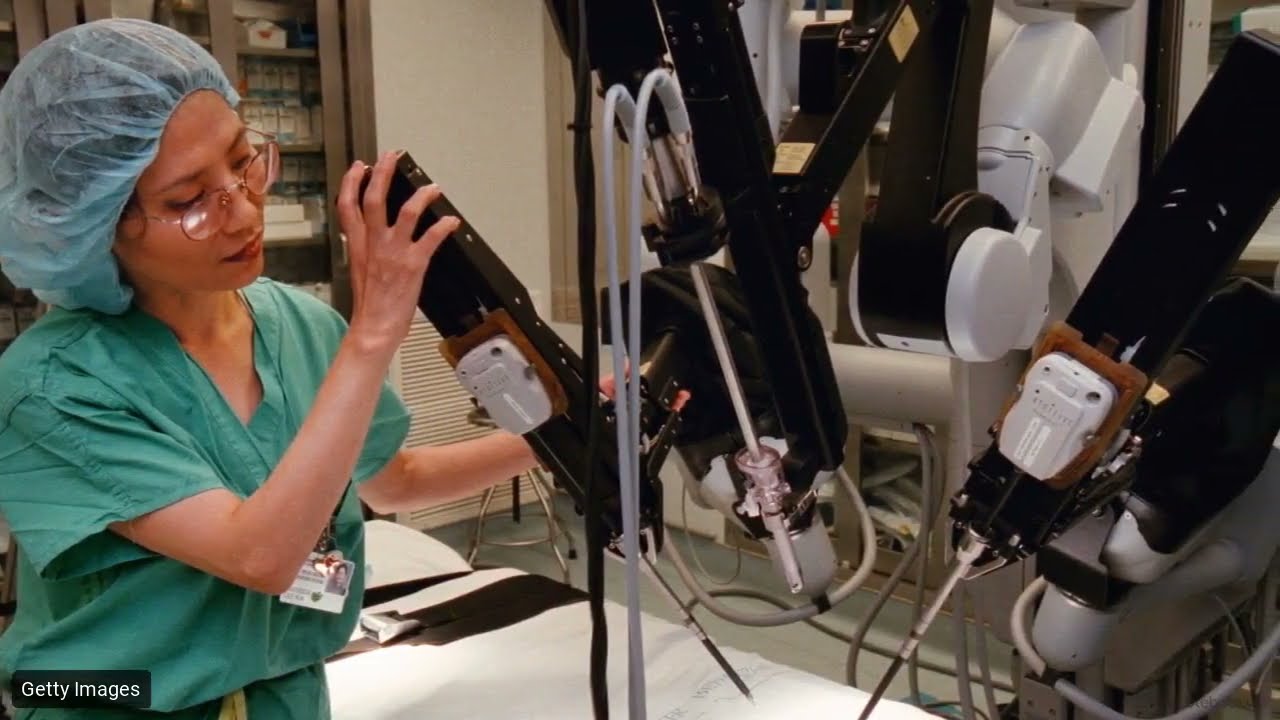
What is robotic surgery — and why does it matter for your cancer?

Robotic surgery instruments
Robotic Surgery · Precision at the microscale
01

Smaller incisions, faster recovery

Robotic surgery uses 4–5 keyhole incisions instead of a large open cut. Most patients walk the next day and go home in 2–3 days rather than 7–10.

02

10× magnified, tremor-free precision

The surgeon controls robotic arms from a console with a 3D view magnified up to 10 times. This precision matters enormously when operating near delicate nerves.

03

Better cancer outcomes

For prostate cancer, robotic surgery is associated with lower rates of positive surgical margins — meaning cleaner cancer removal — compared to open surgery.

04

Nerve-sparing when possible

Robotic precision allows nerve bundles controlling continence and sexual function to be carefully identified and preserved in appropriate patients.

Articles written for patients, not textbooks

View All →
Robotic Surgery
Robotic Surgery
What to expect before and after robotic prostate surgery
A week-by-week guide to the RARP journey — from admission to recovery.
Coming soon6 min read
Bladder Health
Bladder Cancer · Symptoms
Blood in urine — when is it serious?
Haematuria is always worth investigating. A clear guide to what it means and what to do.
Coming soon4 min read

Clinical research informing better care

View Publications on ResearchGate →

Active research interests include surgical margin outcomes in robotic prostatectomy, evidence-based approaches to urological cancer management, and survival outcomes in urological malignancies.

Ongoing Research
MIRAGE-RP: Posterolateral Sector Risk Score for Positive Surgical Margins in Robotic Prostatectomy
A retrospective cohort study using mpMRI, PSMA PET, and biopsy data to derive a pre-operative risk score predicting surgical margin positivity in robot-assisted radical prostatectomy.
Study in progress · Medanta – The Medicity
Systematic Review & Meta-Analysis · In Progress
Survival Advantage of Lymph Node Dissection in Penile Cancer
A systematic review and meta-analysis evaluating whether lymph node dissection confers a measurable survival advantage in squamous cell carcinoma of the penis — addressing a clinically significant gap in evidence for this rare malignancy.
Protocol in development
Multicentre Study · Active
Gemcitabine-Docetaxel vs BCG in High-Risk Non-Muscle Invasive Bladder Cancer
Multicentre comparative study evaluating gemcitabine-docetaxel versus BCG in the management of high-risk NMIBC — contributing to an evidence base for this clinically challenging patient group.
SOGO Multicentre Study · Research Fellow
Publications
Peer-Reviewed Work in Urological Surgery
Published research spanning robotic urology, uro-oncology outcomes, and surgical technique. Presented at national and international conferences including ERUS, GAUC, and USICON.

Start a conversation about your care

Whether you have a new diagnosis, a second opinion request, or a question about a procedure — I am happy to hear from you. Please fill in the form or email directly and I will respond as soon as possible.

🏥
Clinical BaseMedanta – The Medicity, Gurugram, Haryana
🎓
Academic AffiliationsJIPMER Puducherry · KEM Hospital Mumbai
✉️

Important NoticeThis website is for educational purposes only. It does not constitute medical advice and does not create a doctor-patient relationship. For emergencies please contact your nearest hospital or call 112.

Your information is kept strictly confidential and used only to respond to your query. This form does not replace a clinical consultation.